Value Prop Analysis
Could a buyer tell you apart from rivals?
Score your value prop with a framework used by the top 1%, compare it to rivals, and get a first-look improvement in under 30 seconds.


Used with founders at Xorq, Koda & more
The framework
How you'll be scored
Most visitors decide within seconds whether to keep reading, and your headline is often all they read. Each of these is a quarter of your grade.
-
Clarity
1. Clear messaging
Say exactly what you do in plain words.
-
Target audience
2. Audience specificity
Name your buyer and the right leads lean in.
-
Relevance
3. Buyer empathy
Begin with pains and desires, not your features.
-
Uniqueness
4. Distinctive assets
A clear edge gives buyers a reason beyond price.
Why it works
Based on the top 1% in optimisation
We’re certified CXL optimisers, so every Pulse score gets graded on the same framework we use for our messaging & website sprints.
“Maxx's team created a unique, captivating landing page with product visuals that made the vision tangible. It genuinely shifted how customers and clients perceived our product.”
 Lachlan Gill Co-founder, Creative iQ

Our work
Stories we’ve sharpened
-
![]()
![]()
![]()
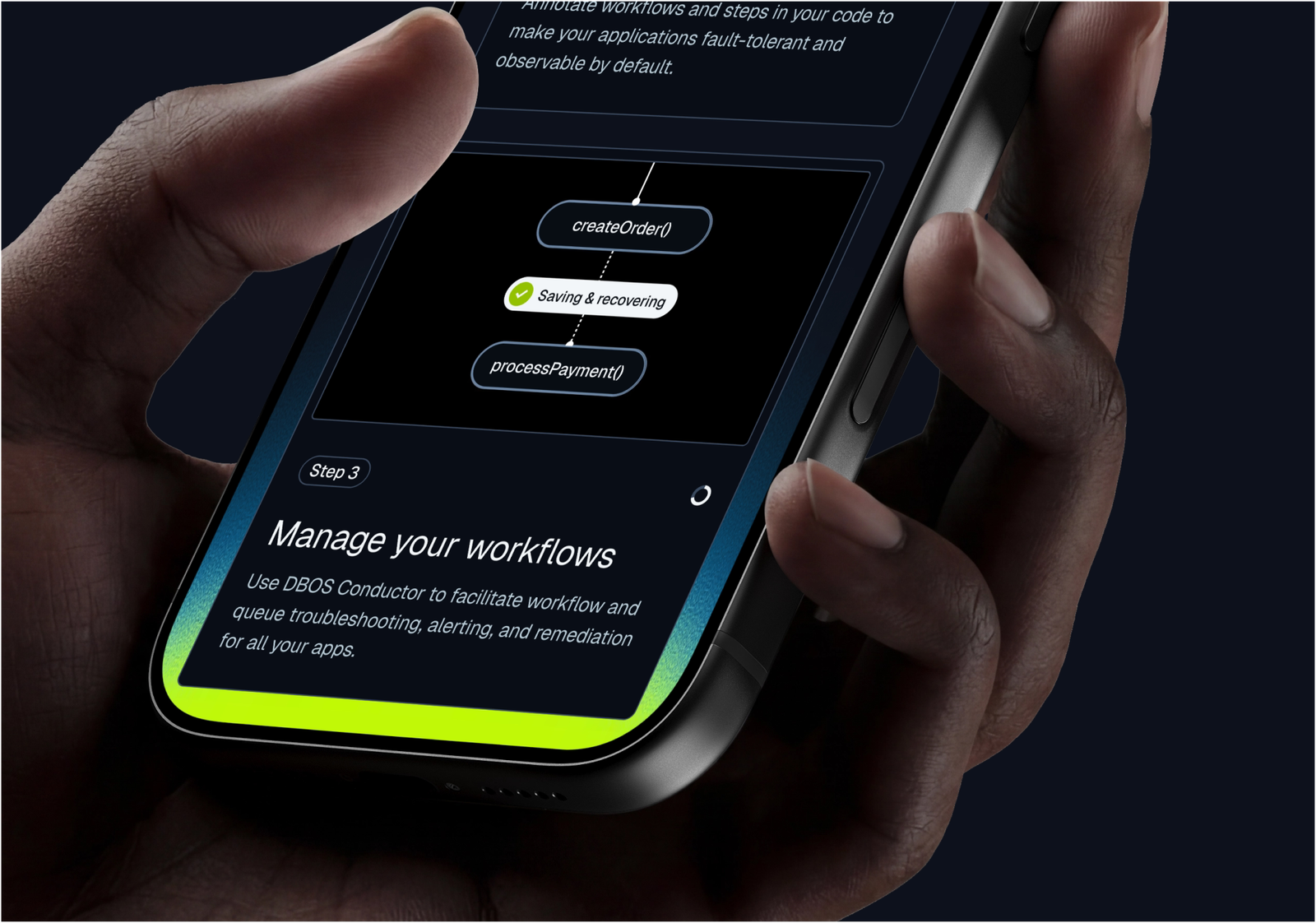
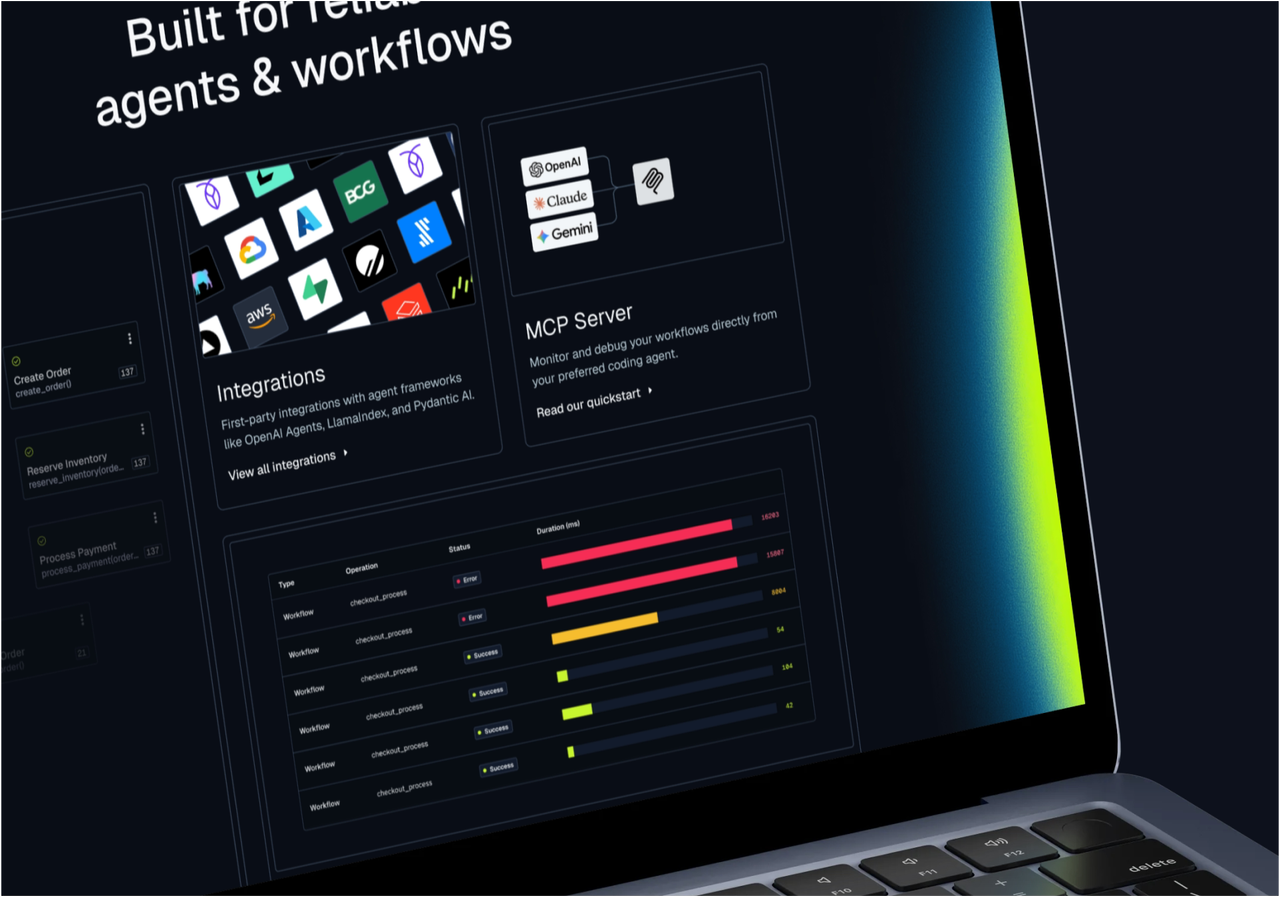
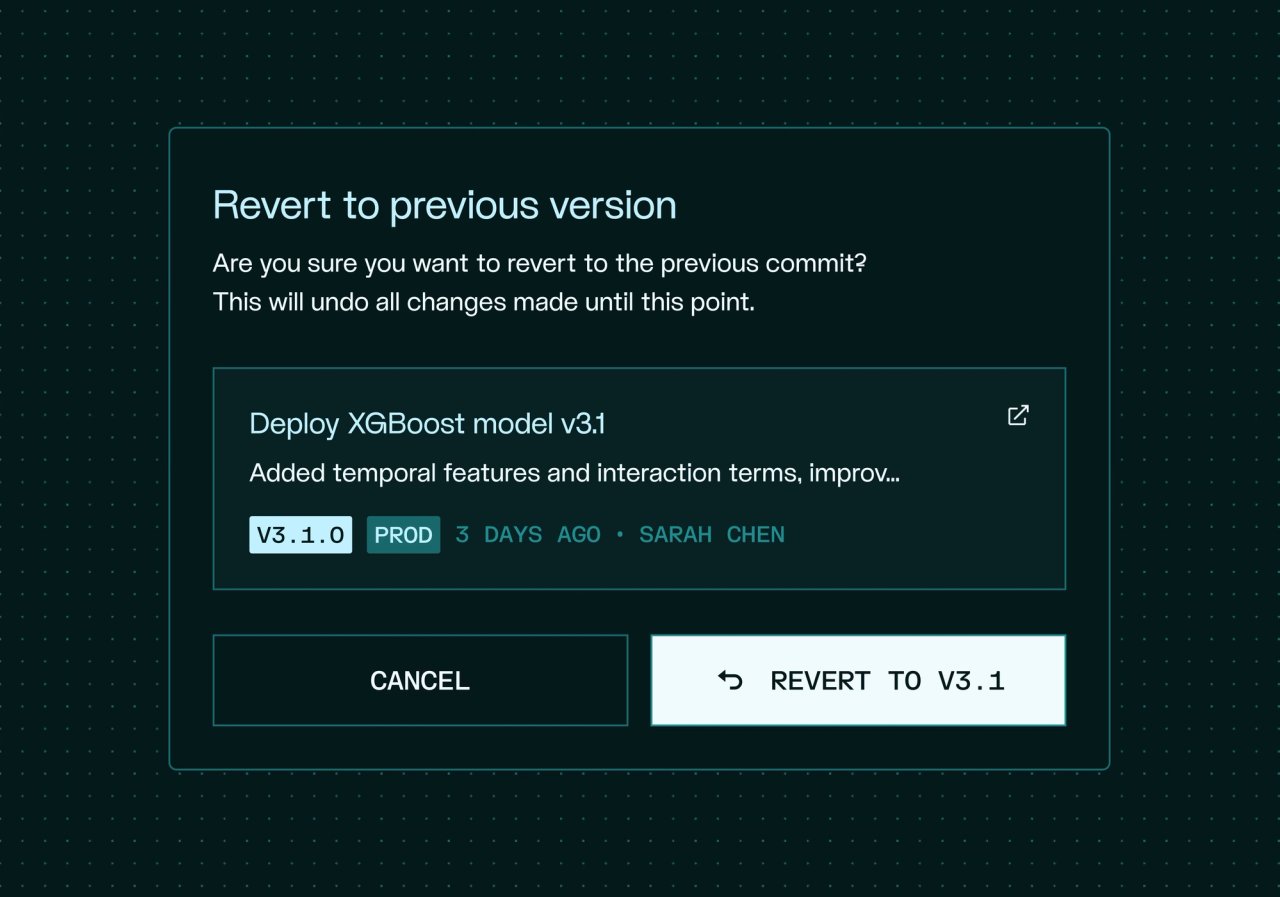
DBOS
Downloads up 50% month-on-month since rollout
-

![]()
![]()
![]()
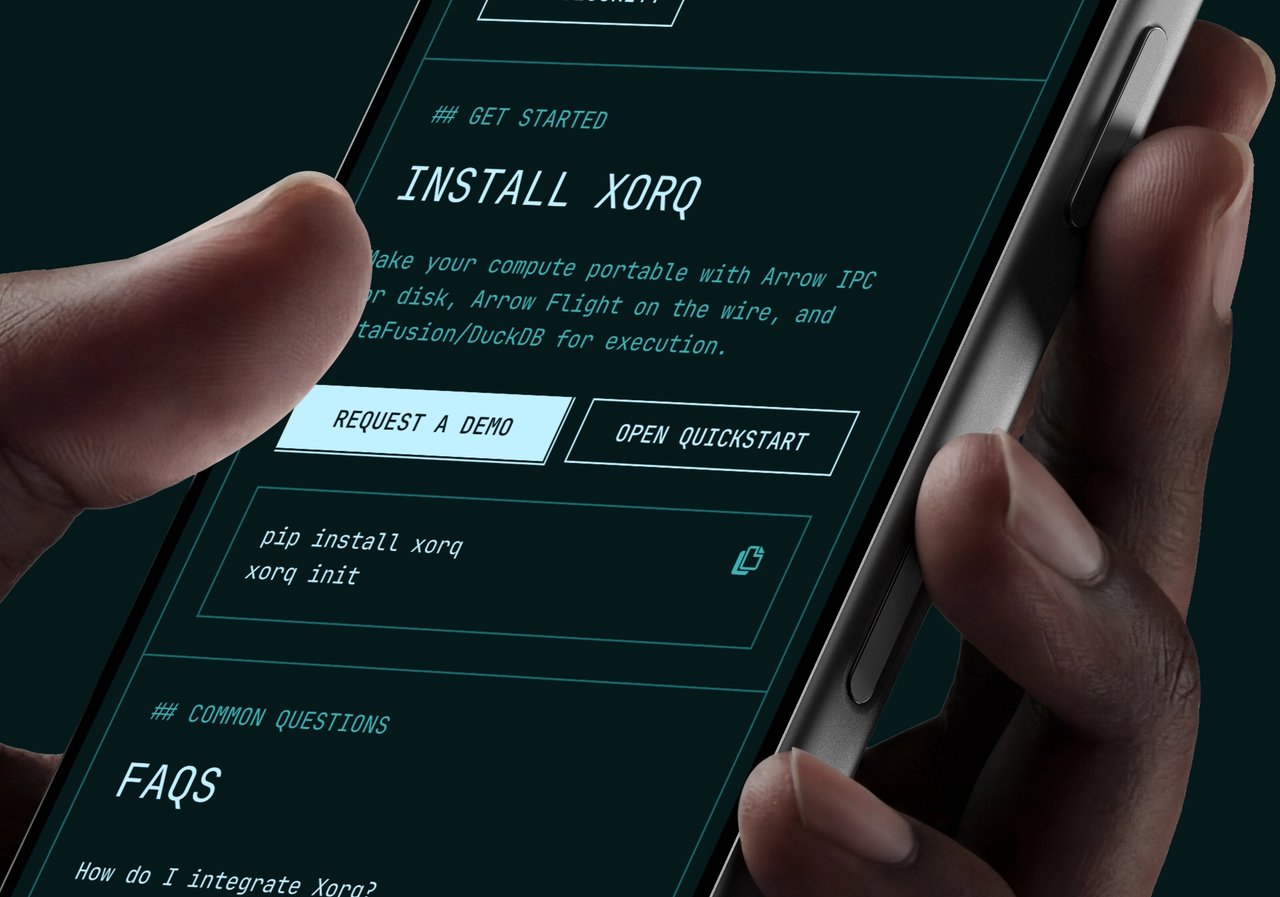
Xorq
Stronger uptake and leadership growth within weeks
-
![]()
![]()
![]()
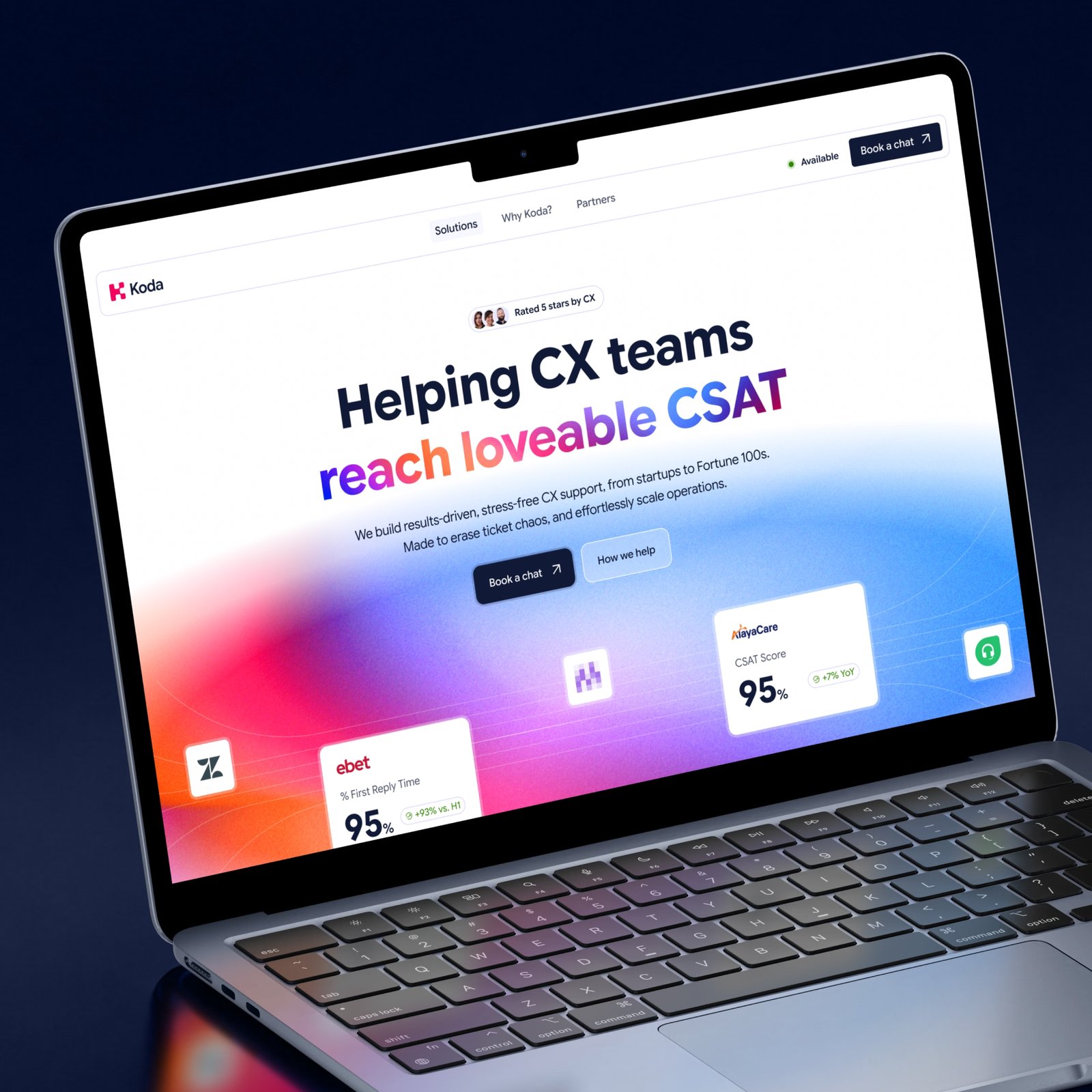
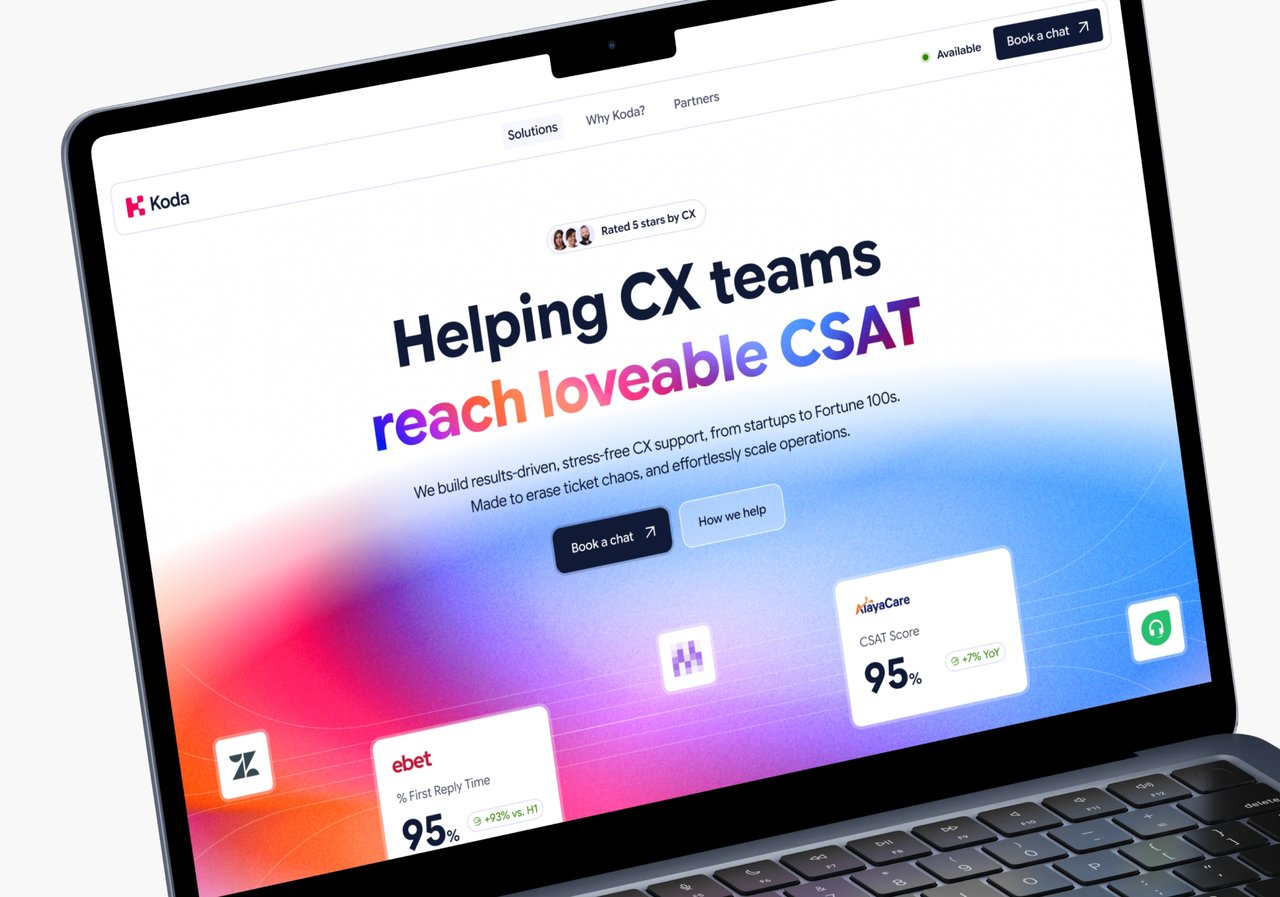
Koda
CX that finally feels like Koda




FAQs
Before you run it
What do you do with my email?
We use it to get in touch about your report. We won’t add you to our newsletter or pass it on to anyone.
What if my hero is a terminal animation or demo video?
We read the text in your page’s HTML before any scripts run, which is also what many AI assistants and search crawlers see first. If your headline only appears once scripts run, or sits inside a video or animation, we may pick up something else, and so might they. That’s worth fixing on its own. With little text to go on, we grade your page title and meta description instead.
How is my homepage graded?
We read the top of your homepage, and of any competitors you add: the headline, the lines around it, the main call to action and any proof like customer names or quotes. It’s then scored from 1 to 10 on the four areas of our framework, each a quarter of your grade: clarity, target audience, relevance to your buyers’ pains, desires, fears and dreams, and uniqueness, which is judged against your competitors. Every score comes with the evidence from your copy behind it.
Can AI really judge my messaging?
It doesn’t judge on its own terms. We give it our framework as a strict rubric: what to look for and what to mark down in each area, what every score from 1 to 10 means, and that a typical homepage scores 5. It works out who your page is for and what it promises before it scores anything, and it has to quote your copy to back every score. That makes it a fast, consistent first read. Fixing it still takes people who know your customers.
My grade is low. Do I need a new website?
Usually not. Most homepages score between 40 and 70, and a low grade tends to come down to a few specific changes in the copy. Start with the area marked “Biggest fix”.
We’re not a B2B SaaS company. Will it still work?
It’s built for B2B SaaS, where buyers compare several similar products side by side, and the advice is tuned for that. The four criteria apply to any homepage, so you’ll still get a useful grade, but expect some advice to fit less well.